How To Tell If My Shower Gel Is Fragrance-Free
Before I understood how fragrances and shower gels affect my skin I was in a mess! I thought I was doing all the right things: opting for shower gels that are fragrance-free on the label, or buying expensive and natural shower gels that would be ‘better’ for my skin.
The thing is, for those with sensitive skin like me, it’s not enough to do the above.
What I needed to do was strip my shower gel back to the very basics. I needed the cleaning agent and nothing else.
I needed something that was fragrance-free and completely unscented. Understanding this changed everything for me.
Does fragrance-free mean unscented?
Fragrance-free and unscented don't technically mean the same thing. If you've got sensitive skin understandinng this is key.
Read More about Does fragrance-free mean unscented?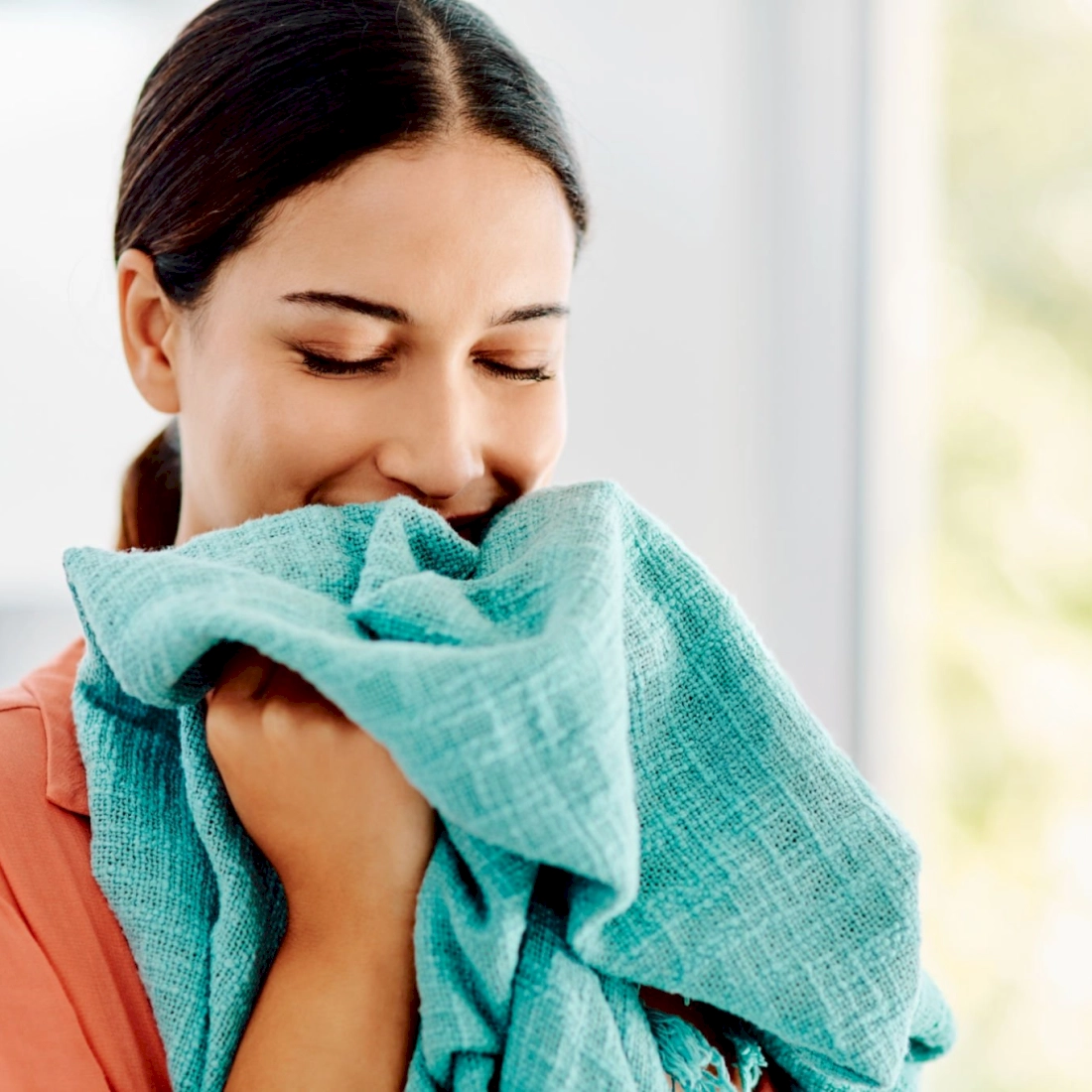
These days, I have a high level of confidence when it comes to sniffing out (literally) shower gel that likely won’t make my skin itchy, red, dry, and sore. I don’t get it right every time because my skin is so sensitive. And if you’re reading this, I’m guessing yours is, too.
The good news is this article will teach you a lot about telling if a shower gel is fragrance-free or not.
And better, the more you practise the better and more intuitive you get. Plus, you only need to find one product that works for you, and you can stick with it!
You will get there!
Identifying Fragrance-Free shower gel
When identifying fragrance-free shower gel, there are a few key factors to consider. Obviously, there’s the ingredient list. Start by familiarising yourself with common fragrance ingredients. This can help you identify a fragrance-free shower gel.
Reading the Ingredients List
This first step is easy.
On the ingredients list, look for words like: “fragrance,” “parfum,” “perfume,” or “aroma.”
These words are a red flag to me, as they probably will be for you.
Put the product back on the shelf and move on to the next one.
You will find yourself picking up and replacing a lot of products. But don’t get demoralised. This is good: you quickly limit the next step to a couple of items at max.
If none of the words listed above are on the item, then you’ve likely found a fragrance-free product by the beauty industry’s standards.
But don’t stop there.
Fragrance-free does not mean unscented.
I repeat, fragrance-free does not mean unscented.
What you need to do next is identify if any of the ingredients might contain a scent.
This is very important for me as my skin cannot tolerate any smell.
Spot common scented ingredients
Over time, you’ll get better at noticing common fragrance ingredients. This will feel like a lot to begin with, but the more you do it, the longer your list naturally builds up.
Some common ingredients that are scented (and known allergens) include “limonene,” “linalool,” “citronellol,”, “cinnamal”, and “geraniol.” These ingredients are natural components of essential oils and are often used to add fragrance to shower gels.
To most, they’re harmless.
To me, they’re not. I am savagely allergic to Cinnamal, but I know I’m okay with Limonene because I had an allergy patch test. However, my reaction to fragrance is so bad I was advised to avoid it anyway. The more I use fragrances, the more allergic I become, so it’s best to keep that shower gel fully fragrance-free!
Taking Cinnamal as an example, Cinnamal is a naturally occurring fragrance compound found in the bark of cinnamon trees. It is added to enhance scents. You wouldn’t expect a natural product to cause such an issue with me, but it does. One application of a product containing this ingredient and I’m really uncomfortable and reaching for treatment for my sore skin and inflamed eyes. It’s not nice.
These hidden scents – even naturally occurring – can have pretty severe consequences for people with highly sensitive skin.
Note: you read correctly that Cinnamal is from the bark of cinnamon trees, yet this doesn’t mean I am allergic to cinnamon. I can eat that with no consequences.
A brief note on natural fragrances and shower gel labels
Ingredients in shower gels are not always added to enhance the fragrance, but this doesn’t mean that they don’t have a smell.
Let’s take coconut, for example. It’s a smell we’re all familiar with, and it’s pretty strong and recognisable for most. Coconut is used in shower gels, especially by brands who want to keep the ingredients list natural.
Coconut has a beautiful smell, but it’s not necessarily added to the shower gel for that reason. It might be added for its hydration properties instead.
Consequently, a shower gel with coconut still passes as fragrance-free. It might even pass for unscented as far as shower gel and product labelling is concerned.
Product labelling is a frustration for those with an aversion to all scents. It makes identifying a truly plain, non-scented, non-fragranced product hard to find.
This is exactly why I started this website. I share only unscented and totally unfragranced shower gel products.
In the U.K., shower gel manufacturers are not forced to list every ingredient; some are trade secrets. This makes sense since I don’t suppose they want people making their exact product. Fair enough. This is one of the reasons why you see ‘parfum’ or ‘perfume’ meaning a blend of fragrances.
Additionally, in the EU, allergens only need to be listed if the concentration exceeds certain levels. Totally fine for the average person, but for sensitive skin, we’d appreciate the heads up, right?
Look, it’s not all doom and gloom!
We have one solid way of telling whether or not a shower gel is fragranced, and that’s our nose!
Smell Testing for Fragrance-Free shower gels
In addition to reading the ingredients list, you can perform a smell test to determine if a shower gel is truly fragrance-free or not.
I will do a smell test in any store.
If I can open it without breaking a seal, I’m sniffing it.
If I have to break a seal, I’ll sniff the packaging to see if it smells. Trust me, your nose gets sensitive once you get onto a fully fragrance-free lifestyle. The laundry detergent aisle in the supermarket is too much for me now.
How to Detect Fragrance in shower gel
To test for fragrance, simply smell the shower gel.
Fragrance-free shower gel should have little to no scent at all.
If you detect any kind of aroma or scent, it’s likely that the shower gel contains added fragrances and is not fragrance-free.
You may get a little hint of something, like a chemical smell; this is near impossible to avoid since the only thing that doesn’t smell at all is water. And to be fair, even water can have a subtle smell of something.
Tips for Identifying Subtle Fragrances
Remember, some fragrances may be very subtle and difficult to detect.
When you get your product home, give it a second smell test while you use it. Once lathered, a scent may become more apparent.
If you have any adverse reaction to a shower gel, it’s best to assume it’s not fragrance-free and may contain added fragrances or something that irritates you. I know I’ve been guilty of thinking something doesn’t smell right, using it, and later regretting it.
You body knows what’s good for it, and the more you embrace the fragrance-free lifestyle, the more intuitive it all becomes.
Written by: Zoe
Comments
Ask a question or join the discussion below.
Go back to Skincare to see more content like this or checkout similar content below.
Back to Skincare
No comments have been made yet, be the first!